

Silicon Carbide (SiC) heating elements are indispensable in high-temperature applications such as metal heat treatment, ceramics, glass processing, and laboratory furnaces. These elements are valued for their high durability, excellent thermal stability, and energy efficiency, making them a preferred choice for demanding industrial processes. In India and across global markets, SiC heating elements are widely adopted due to their ability to deliver consistent performance at elevated temperatures, reduced maintenance needs, and long service life. Whether in research facilities or heavy industrial operations, silicon carbide heaters continue to play a crucial role in improving efficiency and reliability in high-temperature environments.
However, over time, a critical factor affects their performance — resistance change. Understanding how and why this happens is key to getting the most out of your silicon carbide heating rod investment.
How SiC Heating Elements Work
SiC heating elements are made from high-purity silicon carbide and are used in electric furnaces where temperatures can exceed 1500°C. These elements conduct electricity and convert it into heat through Joule heating (resistance heating).
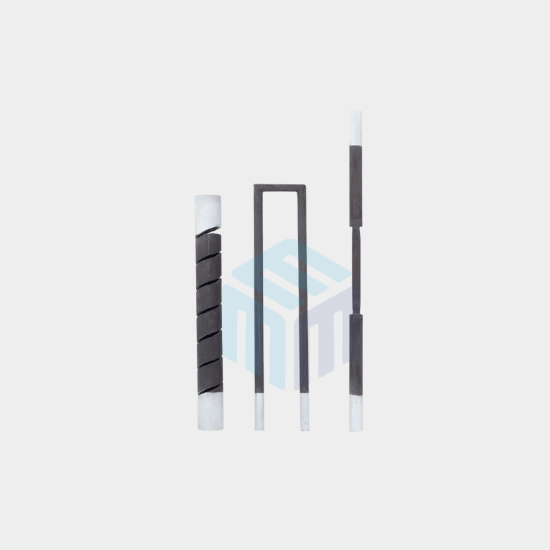
The common forms include:
- Straight rods (with or without cold ends)
- U-shaped and spiral elements
- Dumbbell-shaped rods for uniform heating
These elements are typically used in silicon carbide heating element furnaces for consistent high-temperature performance across various industrial applications.
Why Resistance Changes in SiC Elements Over Time
One of the inherent properties of SiC heating elements is their tendency to increase in electrical resistance with use. This process is called “aging” or oxidation-related resistance growth and occurs due to several factors:
1. Oxidation of Silicon Carbide
At elevated temperatures, SiC reacts with oxygen to form a silica (SiO₂) layer on the surface. This non-conductive layer grows over time and increases resistance.
2. Material Loss Due to Sublimation
In extremely high temperatures, SiC begins to sublimate, especially in oxygen-poor environments, leading to gradual erosion of the conductive core.
3. Contamination
Exposure to certain furnace atmospheres or contaminants can accelerate degradation.
4. Improper Voltage or Temperature Settings
Operating elements beyond their rated specifications can lead to premature resistance increases.
Impact of Resistance Change on System Performance
The increase in resistance doesn’t mean immediate failure, but it significantly affects furnace performance and energy efficiency:
- Uneven heating zones in multi-element systems
- Increased power consumption
- Longer heat-up times
- More frequent replacements if not monitored
This is especially problematic in silicon carbide heating element furnaces, where even small variations can cause temperature inconsistencies critical to industrial processes.
Choosing Materials for High-Temperature Applications: The Molybdenum Angle
While SiC heating elements are highly popular, Molybdenum-based heaters (like MoSi2) are also used for ultra-high-temperature applications.
| Feature | SiC Heating Elements | MoSi₂ heating Elements |
|---|---|---|
| Max Operating Temp | ~1600°C | ~1650°C – 1800°C |
| Oxidation Resistance | Moderate (needs ventilation) | High with protective coating |
| Resistance Change Over Time | Increases gradually | More stable in clean atmospheres |
| Cost | Moderate | High |
| Application Examples | Ceramics, metallurgy, labs | Sapphire processing, solar industry |
For most industrial applications below 1600°C, SiC heaters remain the ideal balance of cost, performance, and availability.
Monitoring and Maintaining SiC Heating Elements
To extend the lifespan of your silicon carbide heaters, follow these best practices:
- Monitor resistance regularly – Use resistance meters to detect performance drift.
- Avoid thermal shock – Prevent rapid heating or cooling.
- Ensure proper furnace ventilation – Reduces oxidation.
- Match voltage with resistance – Use variable voltage transformers as resistance increases.
- Rotate elements in multi-zone systems – Promotes uniform wear.
Regular monitoring allows you to adjust furnace voltage as resistance rises, ensuring consistent performance.
Future Trends in High-Temperature Heating Technology
The future of high-temperature heating lies in smart monitoring and advanced materials. Trends include:
- IoT-enabled heating systems for real-time resistance tracking
- Hybrid heating elements combining SiC and MoSi2
- Energy-efficient furnace design for reduced emissions
- Predictive maintenance using AI algorithms
As a leading SiC heating elements supplier, M-Kube stays ahead of these advancements to bring reliable, future-ready heating solutions.
Conclusion
While SiC heating elements are robust and long-lasting, their resistance change over time is a natural phenomenon that must be managed to ensure system efficiency. With proper material selection, regular monitoring, and smart furnace practices, you can extend the life of your silicon carbide heating rods and maintain optimal performance.
Looking for Trusted SiC Heating Elements Suppliers in India?
At M-Kube, we supply a wide range of silicon carbide heating elements, heaters, and furnace components suited for industrial and laboratory use.
👉 Explore SiC Heating Products
📞 +91-9898892994
📧 marketing@mkubeenterprise.co.in