

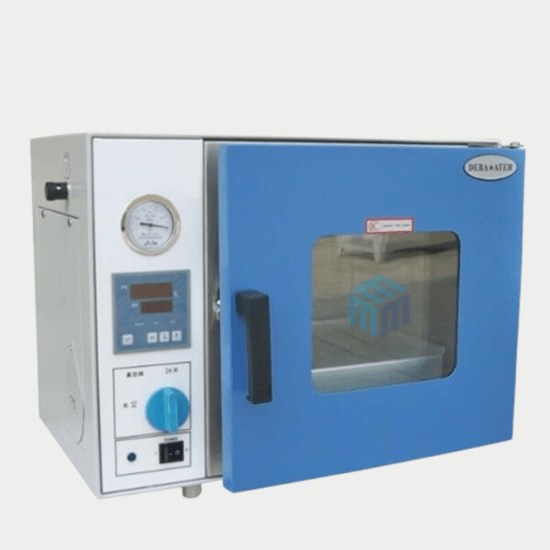
Drying efficiency is a critical factor in laboratories handling pharmaceuticals, chemicals, food samples, and advanced materials. A Vacuum Oven is widely used because it enables drying at lower temperatures while protecting heat-sensitive materials. However, achieving faster drying without compromising sample integrity requires a combination of optimized parameters and proper equipment usage.
Whether you are using a laboratory vacuum oven, vacuum drying oven, or even a small vacuum oven, the following strategies can significantly improve drying speed and overall performance.
Why Drying Speed Matters in Laboratory Applications
Vacuum drying reduces the boiling point of solvents, allowing moisture removal at lower temperatures, which is ideal for heat-sensitive materials.
1. Optimize Vacuum Level
The vacuum level directly impacts drying speed.
✔ Lower Pressure = Faster Evaporation
Under vacuum conditions, the boiling point of liquids decreases significantly. This accelerates solvent evaporation.
- Ensure the vacuum pump is functioning efficiently
- Maintain proper sealing to avoid pressure loss
- Use appropriate vacuum levels based on solvent type
2. Maintain Optimal Temperature Settings
Temperature and vacuum must work together.
✔ Increase Temperature Within Safe Limits
Higher temperatures speed up evaporation, but overheating may damage samples.
- Set temperature close to but below the degradation point
- Use programmable controls in modern lab vacuum ovens
Balancing temperature and pressure is key to achieving faster and safe drying.
3. Improve Heat Transfer Efficiency
Heat transfer inside a laboratory vacuum oven can be less efficient compared to conventional ovens.
✔ Use Conductive Shelves
Heated shelves improve direct heat transfer to samples.
✔ Ensure Proper Sample Contact
Flat and uniform contact between sample containers and shelves enhances heat conduction.
Efficient heat transfer reduces drying time significantly.
4. Reduce Sample Thickness
Sample preparation plays a major role in drying speed.
✔ Spread Samples Evenly
- Use thin layers instead of thick batches
- Increase surface area exposure
✔ Use Suitable Containers
Wide, shallow trays improve evaporation compared to deep containers.
5. Use Proper Vacuum Pump and Condenser System
The performance of the vacuum system directly affects drying efficiency.
✔ High-Performance Vacuum Pump
A strong and stable vacuum pump ensures consistent pressure levels.
✔ Use Cold Traps or Condensers
Condensers capture evaporated solvents, preventing them from re-entering the chamber and slowing drying.
This is particularly important in solvent-heavy applications.
6. Minimize Chamber Load
Overloading a vacuum drying oven reduces efficiency.
✔ Avoid Overcrowding
- Allow proper airflow and vapor removal
- Maintain spacing between samples
✔ Batch Optimization
Process smaller batches for faster and more uniform drying.
7. Ensure Proper Sealing and Leak Prevention
Air leakage reduces vacuum efficiency.
✔ Check Door Gaskets
Worn-out seals can compromise vacuum levels.
✔ Regular Leak Testing
Periodic checks ensure the system maintains optimal vacuum pressure.
Even minor leaks can significantly increase drying time.
8. Pre-Dry or Pre-Treat Samples
For high-moisture samples:
- Perform initial air drying
- Use filtration to remove excess liquid
This reduces the load on the Vacuum Oven and speeds up the final drying stage.
9. Choose the Right Vacuum Oven Type
Selecting the right equipment impacts drying performance.
✔ Laboratory Vacuum Oven
Suitable for general lab applications.
✔ Small Vacuum Oven
Ideal for limited sample sizes and space constraints.
✔ Advanced Models (e.g., Thermo Scientific Lab Line Vacuum Oven)
Offer precise temperature and vacuum control for faster and repeatable drying.
Choosing the right system based on application helps optimize drying speed and efficiency.
Factors Affecting Vacuum Oven Price
The vacuum oven price or vacuum oven price in India depends on:
- Chamber size and capacity
- Temperature range
- Vacuum level capability
- Digital control systems
- Brand and build quality
Investing in a high-quality lab vacuum oven ensures better performance and long-term reliability.
Looking for a reliable Vacuum Oven, laboratory vacuum oven, or advanced lab vacuum ovens at the best vacuum oven price in India?
📞 Call +919898892994
📧 Email marketing@mkubeenterprise.co.in
Get expert advice and choose the perfect vacuum oven for your application.
Conclusion
Improving drying speed in a Vacuum Oven requires a combination of optimized vacuum levels, controlled temperature settings, proper sample preparation, and efficient equipment maintenance. By focusing on these critical factors, laboratories can achieve faster drying cycles without compromising sample quality.
Whether you are using a laboratory vacuum oven, vacuum drying oven, or small vacuum oven, the right approach ensures improved productivity, energy efficiency, and consistent results.