

In modern laboratories, accurate optical measurements depend on more than just the spectrophotometer itself. The cuvette holding the sample is an equally important part of the measurement system.
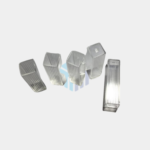
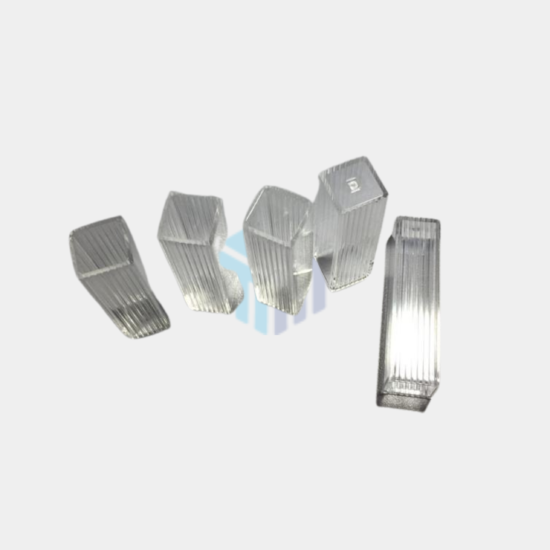
A cuvette is a transparent sample container that allows light to pass through a liquid or other sample during spectrophotometric analysis. Depending on the application, laboratories may use Quartz Cuvettes, Spectrophotometer Quartz Cuvettes, glass cells, plastic cuvettes, micro cells, fluorescence cells, or flow-through cells.
The right cuvette depends on wavelength range, sample volume, optical path length, chemical compatibility, instrument configuration, and measurement technique.
What Is a Cuvette?
A cuvette is a small container designed to hold a sample while the spectrophotometer measures the amount of light absorbed, transmitted, or emitted by that sample.
Common options include Quartz Cuvettes, Glass Cuvettes, Plastic Cuvettes, Standard Cells, Semi-Micro Cuvettes, Micro Volume Cuvettes, Fluorescence Cuvettes, Flow Through Cuvettes and Cells, Cylindrical Cells, Rectangular Cells, Large Volume Cells, and Custom/OEM Cells.
1. Quartz Cuvettes
Quartz Cuvettes are widely used for UV-Vis spectroscopy because quartz provides excellent transmission in the ultraviolet region.
A Spectrophotometer Quartz Cuvette is particularly useful for applications involving UV wavelengths, where conventional glass may absorb part of the radiation.
Advantages include excellent UV transmission, good visible-light transmission, high chemical resistance, thermal stability, and suitability for demanding analytical applications.
Standard quartz cell options include Standard Spectrophotometer Cells, Spectrophotometer Precision Cells, Standard Cell with PTFE Lid, Standard UV Quartz Cell With Lid, and Round-bottom Standard Cell.
2. Semi-Micro Cuvettes
When sample availability is limited, Semi-Micro Cuvettes provide a practical alternative to conventional standard cells.
A Semi-Micro Cell uses less sample while maintaining compatibility with suitable spectrophotometric systems. Common configurations include Semi-Micro Cell, Semi-Micro Cell with Black Walls, Semi-Micro Cell with PTFE Stopper, and Semi Micro UV Cuvettes.
3. Micro Volume Cuvettes
For very small sample quantities, Micro Volume Cuvettes and micro cells provide an efficient solution.
Common options include Micro Cell, Micro Cell with Black Walls, Micro Cell with PTFE Stopper, Quartz Micro Cell, UV Vis Micro Cell, Spectrophotometer Micro Cell, Optical Micro Cell, Precision Micro Cell, and Micro Volume Spectrophotometer Cuvette.
For specialized products, a Micro Volume Cuvettes Supplier should confirm sample volume, optical path length, material, and instrument compatibility.
4. Fluorescence & Self-Masking Cuvettes
Fluorescence measurements have different optical requirements from conventional absorption measurements. Specialized Fluorescence Cuvettes And Cells are therefore available.
Options include Fluorescence Spectroscopy Cuvette, Fluorescence Quartz Cuvette, UV Quartz Fluorescence Cells, Self-Masking Quartz Cuvette, Self-Masking Cell, Black Wall Fluorescence Cuvette, Black Wall Quartz Cuvette, and Self-Masking Flow-Through Cell.
A Self-Masking Quartz Cuvette or black-wall configuration can help manage unwanted light paths where optical geometry is important.
5. Flow Through Cuvettes and Cells
A Flow Through Cuvette allows the sample to pass continuously through the optical cell.
Common configurations include Flow Through Spectrophotometer Cells, Continuous Flow Cell, Self-Masking Continuous Flow Cell, UV-Vis Flow Through Cuvette, Flow Through Quartz Cuvette, UV Flow Cell, Flow Cell Spectrophotometer, and UV Vis Flow Cell.
Flow cells are useful for continuous monitoring, automated analysis, process measurement, and flow-based analytical techniques.
6. Cylindrical Quartz Cuvettes
Some instruments and applications require cylindrical geometry.
Examples include Cylindrical Quartz Cuvette, Cylindrical Quartz Cell, Cylindrical Cuvette, Quartz Cylindrical Cell, Cylindrical Spectrophotometer Cell, Cylindrical Fluorescence Cell, Cylindrical Absorption Cell, Cylindrical UV Quartz Cell, Quartz Cell with PTFE Stopper, and Cylindrical Cell with Stopper.
A Cylindrical Quartz Cuvette Spectrophotometer application should be checked against the instrument holder and optical configuration before ordering.
7. Rectangular, Large Volume & Specialty Cells
Rectangular geometry is widely used for spectrophotometry. Specialized designs include Rectangular Quartz Cell, Rectangular Quartz Cuvette, Rectangular Absorption Cell, Large Volume Quartz Cell, Large Volume Cuvette, Large Volume Spectrophotometer Cell, Fluorimeter Quartz Cell, Fluorimeter Cells, Absorptiometer Cells, Optical Measurement Cuvettes, and Specialty Quartz Cuvettes.
Manufacturers also offer Custom Spectrophotometer Cells where standard dimensions do not meet a particular requirement.
8. Plastic Cuvettes
Plastic Cuvettes are commonly selected for routine applications where disposability, convenience, and cost are important.
Their usable wavelength range depends on the specific polymer, so laboratories should confirm the material’s transmission range before using plastic cuvettes for UV measurements.
9. Custom & OEM Cuvettes
Specialized instruments may require Custom OEM Cuvettes, OEM Quartz Cells, OEM Optical Cells, Custom Quartz Cuvettes, Custom OEM Cells, Custom Cuvettes, or Custom Spectrophotometer Cells.
Custom solutions may involve specific dimensions, path lengths, apertures, stoppers, lids, optical windows, or sample capacities. Before ordering, provide the instrument model, drawing or dimensions, material requirement, optical path length, and application details.
Cuvette Materials Compared
| Cuvette Type | Main Advantage | Typical Applications |
| Quartz | Excellent UV transmission | UV-Vis, pharmaceutical, research |
| Glass | Economical for many visible measurements | Routine visible-range testing |
| Plastic | Convenient and often disposable | Routine testing, teaching labs |
| Black-wall quartz | Optical control for specialized measurements | Fluorescence and sensitive measurements |
| Custom quartz | Application-specific configuration | OEM and specialized instruments |
Applications of Cuvettes
Cuvettes are used across pharmaceutical laboratories, biotechnology and life sciences, chemical laboratories, environmental testing, and food and beverage testing.
Typical applications include drug analysis, raw material testing, DNA and RNA analysis, protein measurements, fluorescence analysis, UV-Vis spectroscopy, reaction monitoring, water analysis, pollutant monitoring, color measurement, and quality-control testing.
Advantages of Choosing the Right Cuvette
The right cuvette can directly influence the quality and reliability of spectrophotometric measurements.
- Consistent Measurements: Helps maintain reliable results across repeated tests.
- Suitable Wavelength Transmission: The cuvette material should match the wavelength range being measured.
- Lower Sample Requirements: Micro and specialized cuvettes can support testing with limited sample volumes.
- Better Repeatability: Proper optical properties and path length help minimize measurement variation.
- Instrument Compatibility: Choosing the correct cuvette ensures proper fit and performance with the spectrophotometer.
- Efficient Sample Handling: Suitable designs can make filling, cleaning, and transferring samples easier.
The material and optical path length are particularly important because the cuvette forms part of the measurement system itself.
Disadvantages & Common Challenges
Different cuvette types have their own limitations, making proper selection and handling important for accurate measurements.
- Quartz Cuvettes: Generally more expensive than glass or plastic alternatives, but essential for many UV applications.
- Glass Cuvettes: Limited UV transmission makes them unsuitable for many ultraviolet measurements.
- Plastic Cuvettes: Optical transmission, temperature resistance, and chemical compatibility vary depending on the polymer material.
- Micro Cells: Designed for small sample volumes but require careful handling due to their compact size.
- Flow Cells: Provide continuous sample analysis but can be more complex to install, clean, and maintain.
- Custom or Specialty Cells: May involve higher costs and require compatibility checks with specific instruments.
Common Handling Challenges
Measurement accuracy can also be affected by improper handling, including:
- Scratches on optical surfaces
- Fingerprints or dust contamination
- Residual sample deposits
- Optical defects or damage
- Incorrect cuvette orientation
- Inadequate cleaning procedures
Proper cuvette selection, regular maintenance, and careful handling help improve measurement reliability and reduce analytical errors.
How to Choose the Right Spectrophotometer Cell
Before purchasing Spectrophotometer Cells, consider:
- Wavelength range
2. Material
3. Sample volume
4. Optical path length
5. Cell geometry
6. Instrument compatibility
7. Chemical and temperature compatibility
8. Special features such as a PTFE stopper, lid, black walls, or flow-through configuration.
Looking for Cuvettes for Your Laboratory?
M-Kube India offers Spectrophotometer Cells, Quartz Cuvettes, Standard Cells, Micro Cells, Fluorescence Cells, Flow-Through Cells, and Custom Quartz Cuvettes for laboratory and industrial applications.
Phone: +91 9898892994
Email: marketing@mkubeenterprise.co.in
Conclusion
Cuvettes may appear to be simple laboratory accessories, but their material, geometry, optical path length, volume, and design can directly affect spectrophotometric measurements.
From Quartz Cuvettes and Standard Spectrophotometer Cells to Semi-Micro Cuvettes, Micro Volume Cuvettes, Fluorescence Cuvettes, Flow Through Cells, Cylindrical Quartz Cells, Rectangular Cells, and Custom OEM Cuvettes, there is a wide range of solutions for different analytical requirements.
The best choice depends on wavelength range, sample volume, instrument configuration, chemical compatibility, and measurement technique.