

In modern laboratory settings — whether in food science, chemical research, or cosmetic formulation — precision and sample integrity are non-negotiable. One piece of equipment that serves as a backbone for accurate analysis is the Vacuum Oven. Unlike conventional ovens, vacuum ovens create a controlled low-pressure environment that enables moisture removal and solvent elimination at lower temperatures. This makes them indispensable tools in laboratories that deal with heat-sensitive or oxidative samples.
Whether you’re evaluating vacuum oven price in India, choosing a Thermo Scientific Lab Line Vacuum Oven, or selecting a small vacuum oven for routine lab use, understanding why this equipment matters can guide smarter purchasing and lab protocol decisions.
What Is a Laboratory Vacuum Oven?
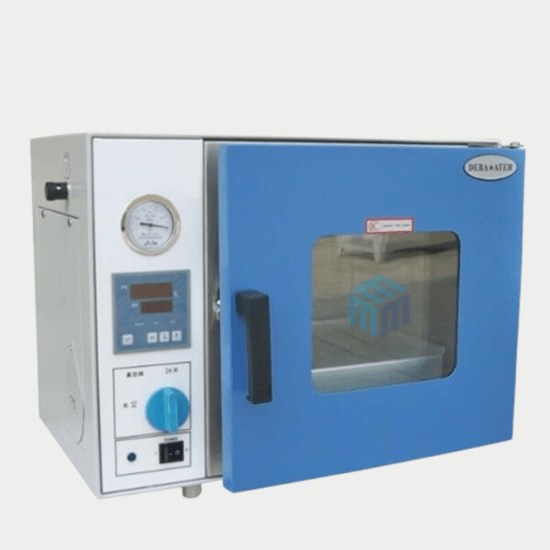
A laboratory vacuum oven is essentially a drying chamber that can operate under reduced atmospheric pressure. Lowering the pressure inside the oven decreases the boiling point of liquids like water and solvents, allowing them to evaporate at much lower temperatures — preserving the integrity of delicate samples.
A lab vacuum oven is different from a regular hot-air oven because it allows controlled moisture removal under vacuum, reducing oxidation, thermal degradation, and contamination. These ovens are commonly used in research labs, food analysis labs, chemical labs, and cosmetic testing facilities.
How Vacuum Ovens Work
Under vacuum conditions, moisture and volatile compounds evaporate more readily because the reduced pressure lowers their boiling point. This principle significantly cuts down drying temperatures, protecting heat-sensitive materials such as vitamins, plant extracts, APIs (active pharmaceutical ingredients), cosmetic actives, and food samples from degradation.
This capability also improves lab throughput since drying cycles are often faster with vacuum ovens than with conventional methods.
Key Laboratory Applications Across Industries
-
Food Laboratory Analysis
For food labs, vacuum ovens are instrumental in moisture content determination, drying botanical extracts, spices, and dehydrated foods without affecting nutritional compounds. Scientific studies demonstrate that vacuum drying can help retain key nutrients and antioxidants better than conventional drying.
-
Chemical Research & Quality Control
In chemical labs, a lab vacuum oven is used to remove solvents safely and prevent oxidation during drying, crucial for accurate analytical results. It is also used for preparing samples prior to chromatographic analysis and thermal conditioning.
-
Cosmetic Formulation and Stability Testing
Cosmetic labs often process heat-sensitive actives, plant extracts, and volatile compounds. Vacuum ovens allow controlled drying of such components without degradation — preserving fragrance, color, and efficacy.
Why Vacuum Ovens Are Preferred Over Conventional Ovens
Lower Drying Temperatures
Since water and solvents evaporate at lower temperatures under vacuum, samples are not exposed to harsh heat. This protects thermosensitive compounds — from vitamins in food to peptides in cosmetics — ensuring test results reflect true composition, not thermal degradation.
Reduced Oxidation and Contamination
Air contains oxygen and other contaminants that can degrade or oxidize sensitive samples. Vacuum ovens eliminate air from the chamber, minimizing these risks and improving purity — especially vital in chemical and cosmetic laboratory analysis.
Faster Drying and Higher Throughput
The enhanced moisture removal rate under reduced pressure often shortens drying cycles, boosting productivity in labs that process many samples.
Enhanced Precision and Control
Modern lab vacuum ovens — from small bench-top units to larger industrial models — offer precise digital temperature and pressure control. A vacuum drying oven with accurate PID controls ensures repeatable results and reproducibility across batches.
Typical Vacuum Oven Processes in Laboratories
- Moisture content analysis for food and chemical substances
- Solvent removal and degassing of samples
- Curing of polymers and coatings without oxidation
- Sterilization of glassware under dry heat
- Preparation of heat-sensitive cosmetic ingredients
- Drying biological materials without decomposition
In chemical and cosmetic labs, traditional drying can often compromise sample integrity — vacuum ovens eliminate those challenges by providing a low-oxygen environment.
Choosing the Right Vacuum Oven in India
When evaluating vacuum oven price in India or planning to buy a unit — whether a small vacuum oven or a larger laboratory vacuum oven — consider:
- Temperature range and stability
- Vacuum level control
- Chamber volume and size
- Safety features and digital controls
- Support for solvent traps or inert gas purge
The Thermo Scientific Lab Line vacuum oven delivers reliable performance and precise control for demanding food, chemical, and cosmetic research workflows.
Conclusion
In laboratories where precision, sample integrity, and reproducibility are paramount — such as food analysis, chemical research, and cosmetic formulation labs — vacuum ovens have become indispensable. Their ability to dry and process samples under reduced pressure ensures that heat-sensitive and reactive materials are treated gently, consistently, and without oxidation or contamination. With flexible configurations ranging from benchtop small vacuum ovens to advanced units like the Thermo Scientific Lab Line vacuum oven, labs in India can achieve higher accuracy and efficiency in their workflows.
Looking for a reliable laboratory vacuum oven or want to know the best vacuum oven price in India? M-Kube Enterprise offers advanced lab vacuum ovens and vacuum drying oven solutions tailored for food, chemical, cosmetic, pharmaceutical, and research labs.
Call +91 9898892994 or Email marketing@mkubeenterprise.co.in to get a quote today and choose the perfect vacuum oven for your lab’s needs.