

The medical industry demands materials that combine strength, durability, corrosion resistance, and exceptional biocompatibility. From orthopedic implants to surgical instruments, every component must perform reliably inside the human body while meeting strict international quality standards.
Among the various engineering metals available today, titanium rods have become one of the most trusted materials for manufacturing medical devices. Their unique combination of lightweight properties, superior mechanical strength, and excellent compatibility with human tissues makes them ideal for a wide range of healthcare applications.
Along with Titanium Tubes, titanium bars, and titanium round bar products, titanium continues to play a vital role in modern medical technology and life-saving devices.
What Are Titanium Rods?
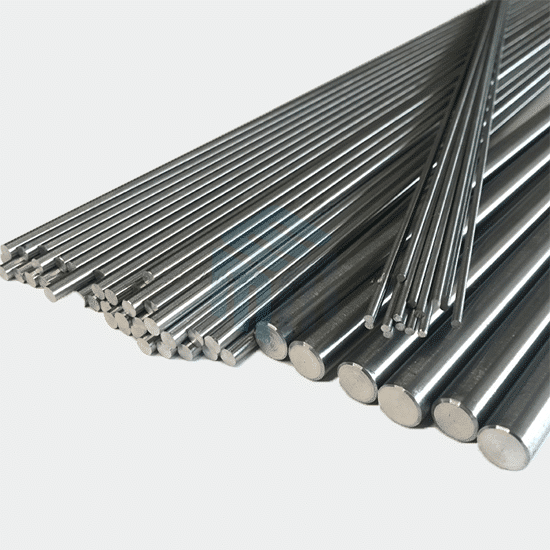
Titanium rods are solid cylindrical metal products manufactured from commercially pure titanium or titanium alloys.
They are available in different forms, including:
- Titanium Rods
- Titanium Tubes
- Titanium Bars
- Titanium Round Bar
- Titanium Metal Bar
- Titanium steel Bar
- Custom-machined titanium components
These products are widely used in industries requiring high performance under demanding conditions, particularly in the medical, aerospace, marine, and chemical sectors.
Why Titanium Is Preferred in Medical Applications
Medical implants remain inside the human body for years, making material selection extremely important.
- Titanium offers several advantages:
- Excellent biocompatibility
- High strength-to-weight ratio
- Outstanding corrosion resistance
- Long service life
- Excellent fatigue resistance
- Non-toxic and non-magnetic properties
These characteristics make titanium one of the safest and most reliable metals for medical device manufacturing.
Key Reasons Titanium Rods Are Used in Medical Devices
1. Excellent Biocompatibility
One of the biggest advantages of titanium rods is their exceptional compatibility with human tissues.
Unlike many metals, titanium rarely causes allergic reactions or adverse biological responses.
Its naturally occurring oxide layer prevents harmful interactions with body fluids, making it highly suitable for long-term implantation.
This is why titanium is commonly used in:
- Bone implants
- Joint replacements
- Dental implants
- Trauma fixation devices
2. Superior Corrosion Resistance
The human body contains salts, moisture, and biological fluids that can corrode ordinary metals.
Titanium bars develop a stable protective oxide layer that resists corrosion even under harsh physiological conditions.
This significantly increases implant longevity and minimizes the risk of material degradation.
3. High Strength with Low Weight
Medical devices require materials that are both strong and lightweight.
Compared to stainless steel, titanium offers an excellent strength-to-weight ratio.
Benefits include:
- Easier surgical handling
- Reduced implant weight
- Improved patient comfort
- Better structural performance
These properties make titanium round bar products ideal for manufacturing orthopedic implants and surgical instruments.
4. Excellent Fatigue Resistance
Many implants are subjected to repeated loading during daily activities such as walking, running, and lifting.
Titanium metal bar products provide outstanding fatigue resistance, allowing implants to withstand millions of loading cycles without failure.
This contributes to long-term reliability and patient safety.
5. Compatibility with Medical Imaging
Titanium is non-magnetic and generally compatible with modern diagnostic imaging systems.
This allows patients with titanium implants to undergo MRI and other medical imaging procedures under appropriate medical guidance.
Its imaging compatibility is another reason why titanium remains the preferred implant material.
Common Medical Applications of Titanium Rods
Orthopedic Implants
Titanium rods are extensively used in:
- Hip replacements
- Knee replacements
- Spinal fixation systems
- Bone plates
- Intramedullary rods
Their excellent mechanical properties support long-term implant performance.
Dental Implants
Titanium has become the industry standard for dental implants because it integrates effectively with bone tissue.
Benefits include:
- Long service life
- Excellent stability
- High success rates
- Superior corrosion resistance
Surgical Instruments
Many precision surgical tools are manufactured using titanium bars due to their:
- Strength
- Lightweight construction
- Corrosion resistance
- Sterilization compatibility
Trauma Fixation Devices
Titanium products are commonly used for:
- Bone screws
- Plates
- External fixation systems
- Orthopedic support devices
These implants provide reliable mechanical support during bone healing.
Factors Affecting Titanium Rods Price
The titanium rods price depends on several factors, including:
- Titanium grade
- Alloy composition
- Diameter
- Length
- Surface finish
- Manufacturing precision
- Market availability
Similarly, the Titanium Tubes price and titanium bars price vary depending on dimensions, specifications, and customization requirements.
Although titanium products involve a higher initial investment than conventional materials, their durability and long service life provide excellent long-term value.
Choosing Reliable Titanium Rod Suppliers
When selecting titanium rods Suppliers, buyers should consider:
- Certified material quality
- Precision manufacturing
- Product traceability
- Custom machining capabilities
- Quality testing
- Industry experience
- Timely delivery across India
Working with trusted Titanium Tubes Suppliers and titanium bars suppliers helps ensure consistent product quality and dependable performance.
Conclusion
The growing demand for advanced medical devices has made titanium rods, Titanium Tubes, titanium bars, and titanium round bar products indispensable in modern healthcare. Their unique combination of biocompatibility, corrosion resistance, lightweight strength, and long-term durability enables the production of safe and reliable medical implants and instruments.
Whether used in orthopedic surgery, dental implants, trauma care, or surgical equipment, titanium continues to improve patient outcomes while supporting innovation in medical technology. Choosing premium-quality materials from trusted titanium rods Suppliers ensures consistent performance and compliance with stringent medical industry standards.
Looking for premium-quality titanium rods, Titanium Tubes, titanium bars, or customized titanium products for medical, industrial, or engineering applications?
📞 Call: +91-9898892994 OR 📧 Email: marketing@mkubeenterprise.co.in today for expert guidance, competitive titanium rods price, Titanium Tubes price, and reliable solutions from trusted titanium rods Suppliers in India.