

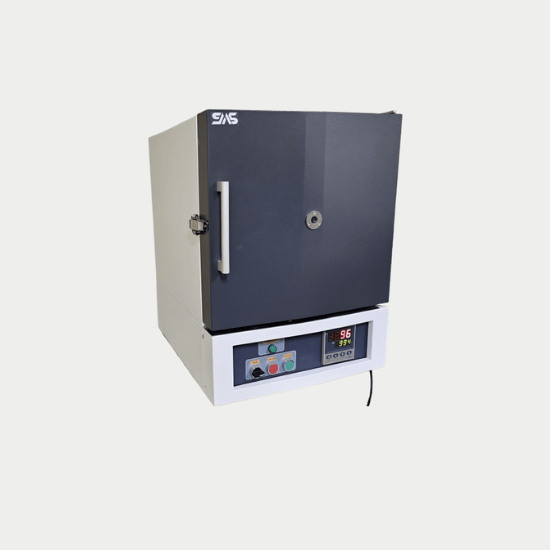
A muffle furnace is an essential piece of equipment in laboratories, research facilities, and industrial processing plants. Whether it is a 1200 C Muffle furnace used for routine laboratory testing or a 1600 C Muffle furnace designed for high-temperature applications, proper maintenance is critical for safe and efficient operation.
Over time, continuous exposure to high temperatures can affect furnace components, resulting in performance issues and inconsistent heating. Recognizing early warning signs can help prevent costly breakdowns, improve furnace lifespan, and maintain accurate thermal processing.
Why Regular Muffle Furnace Maintenance Is Important
A well-maintained high temperature muffle furnace provides:
- Stable temperature performance
- Accurate heating cycles
- Better energy efficiency
- Longer equipment lifespan
- Improved process reliability
Inspection and preventive maintenance significantly improve furnace efficiency and reduce unexpected downtime in thermal processing systems.
1. Inconsistent Furnace Temperature
One of the most common signs of maintenance issues is unstable muffle furnace temperature performance.
Common Symptoms:
- Uneven heating inside the chamber
- Slow temperature rise
- Difficulty reaching set temperature
- Temperature fluctuations during operation
These issues may occur due to:
- Worn heating elements
- Faulty thermocouples
- Damaged insulation
Temperature inconsistency can directly affect test accuracy and material processing quality.
2. Heating Elements Showing Signs of Damage
Heating elements are among the most critical components in a muffle furnace.
Warning Signs:
- Visible cracks or discoloration
- Reduced heating efficiency
- Longer heating cycles
- Complete heating failure
In 1400 C Muffle furnace, 1600 C Muffle furnace, and 1800 C Muffle furnace systems, heating elements operate under extreme thermal stress and may degrade over time.
3. Excessive Energy Consumption
A sudden increase in electricity usage may indicate furnace inefficiency.
Possible Causes:
- Damaged insulation
- Heat leakage
- Aging heating elements
- Poor door sealing
When insulation deteriorates, the furnace requires more energy to maintain operating temperature.
4. Visible Damage to Furnace Insulation
The insulation lining helps maintain internal temperature and protects the outer structure.
Signs of Insulation Problems:
- Cracks in refractory lining
- Powder formation or flaking
- Hot outer furnace surfaces
- Heat escaping around the chamber
Poor insulation reduces thermal efficiency and increases operational costs.
5. Unusual Noises During Operation
A properly functioning high temperature muffle furnace should operate smoothly.
Abnormal Sounds May Indicate:
- Fan motor issues
- Electrical problems
- Loose internal components
- Cracking refractory material
Ignoring these signs may lead to more severe mechanical or electrical failures.
6. Door Seal or Gasket Problems
The furnace door seal prevents heat loss and maintains temperature stability.
Signs of Seal Failure:
- Heat leakage around the door
- Difficulty maintaining temperature
- Visible wear or cracking on gaskets
Damaged seals are common in frequently used 1200 C Muffle furnace and laboratory systems.
7. Controller or Display Malfunctions
Modern muffle furnaces rely on digital temperature controllers for precise operation.
Common Issues:
- Incorrect temperature display
- Unresponsive controls
- Frequent system alarms
- Inconsistent heating programs
Faulty controllers can compromise process accuracy and safety.
8. Slow Heating or Cooling Cycles
If the furnace takes longer than usual to heat up or cool down, maintenance may be required.
Possible Reasons:
- Aging heating elements
- Poor insulation
- Sensor inaccuracies
- Chamber contamination
This issue affects productivity and may increase overall operating costs.
9. Discoloration or Contamination Inside the Chamber
Residue buildup inside the furnace chamber can affect thermal performance.
Common Causes:
- Sample contamination
- Chemical vapors
- Oxidation deposits
Routine cleaning is essential to maintain furnace efficiency and process purity.
10. Frequent System Shutdowns
Unexpected shutdowns are a major warning sign.
Potential Causes:
- Overheating protection activation
- Electrical faults
- Thermocouple failure
- Power supply instability
Immediate inspection is recommended to avoid complete system failure.
When Should You Replace Instead of Repair?
Replacement may be more economical when:
- Repair costs become excessive
- Heating efficiency drops significantly
- Furnace insulation is severely damaged
- Repeated breakdowns occur
In some cases, upgrading to a newer high temperature muffle furnace may provide better energy efficiency and performance.
Conclusion
Recognizing the early signs of maintenance issues in a muffle furnace can prevent costly downtime and extend equipment life. From unstable muffle furnace temprature performance to damaged insulation and heating elements, timely inspection and repair are essential for maintaining reliable operation.
Whether you are using a 1200 C Muffle furnace for laboratory testing or an 1800 C Muffle furnace for advanced industrial applications, regular preventive maintenance ensures better efficiency, safety, and long-term performance.
Looking for a reliable muffle furnace, replacement parts, or expert support for maintenance and repairs?
📞 Call +91 9898892994
📧 Email marketing@mkubeenterprise.co.in
Whether you need a 1200 C, 1400 C, 1600 C, or 1800 C high temperature muffle furnace, get the right solution at a competitive muffle furnace price.