

Accurate temperature measurement is critical in industries such as metallurgy, glass manufacturing, ceramics, aerospace, semiconductor processing, and laboratory research. However, when temperatures exceed the limits of conventional thermocouples, precious metal thermocouples become the preferred choice, ensuring reliable and precise performance in extreme operating conditions.
At the heart of these high-temperature sensors lies platinum wire and its specialized alloys. Manufacturers produce Type R, Type S, and Type B thermocouples using carefully engineered Platinum-Rhodium Thermocouple Wire combinations that deliver exceptional accuracy, stability, and long-term performance in extreme thermal environments.
Understanding the differences between these thermocouple types and the role of platinum rhodium wire can help laboratories and industrial users select the most suitable temperature measurement solution.
What Are Type R, Type S, and Type B Thermocouples?
Type R, Type S, and Type B thermocouples belong to the noble metal thermocouple family and are widely used where extreme temperatures and high measurement accuracy are required.
These thermocouples are manufactured using combinations of platinum rhodium thermocouple wire and pure platinum wire.
Type R Thermocouple
Type R consists of:
- Positive Leg: Platinum + 13% Rhodium
- Negative Leg: Pure Platinum
This thermocouple offers:
- Excellent accuracy
- Good stability
- High-temperature capability
- Reliable performance in oxidizing environments
Type S Thermocouple
Type S consists of:
- Positive Leg: Platinum + 10% Rhodium
- Negative Leg: Pure Platinum
With excellent long-term stability, Type S is widely recognized as one of the leading noble metal thermocouples.
Because of its reliability, Type S is often used as a reference standard in temperature measurement.
Type B Thermocouple
Type B consists of:
- Positive Leg: Platinum + 30% Rhodium
- Negative Leg: Platinum + 6% Rhodium
Unlike Types R and S, Type B uses two different platinum rhodium alloy wire compositions.
Type B thermocouples are frequently used above 1400°C in demanding industrial applications.
Understanding Platinum-Rhodium Thermocouple Wire
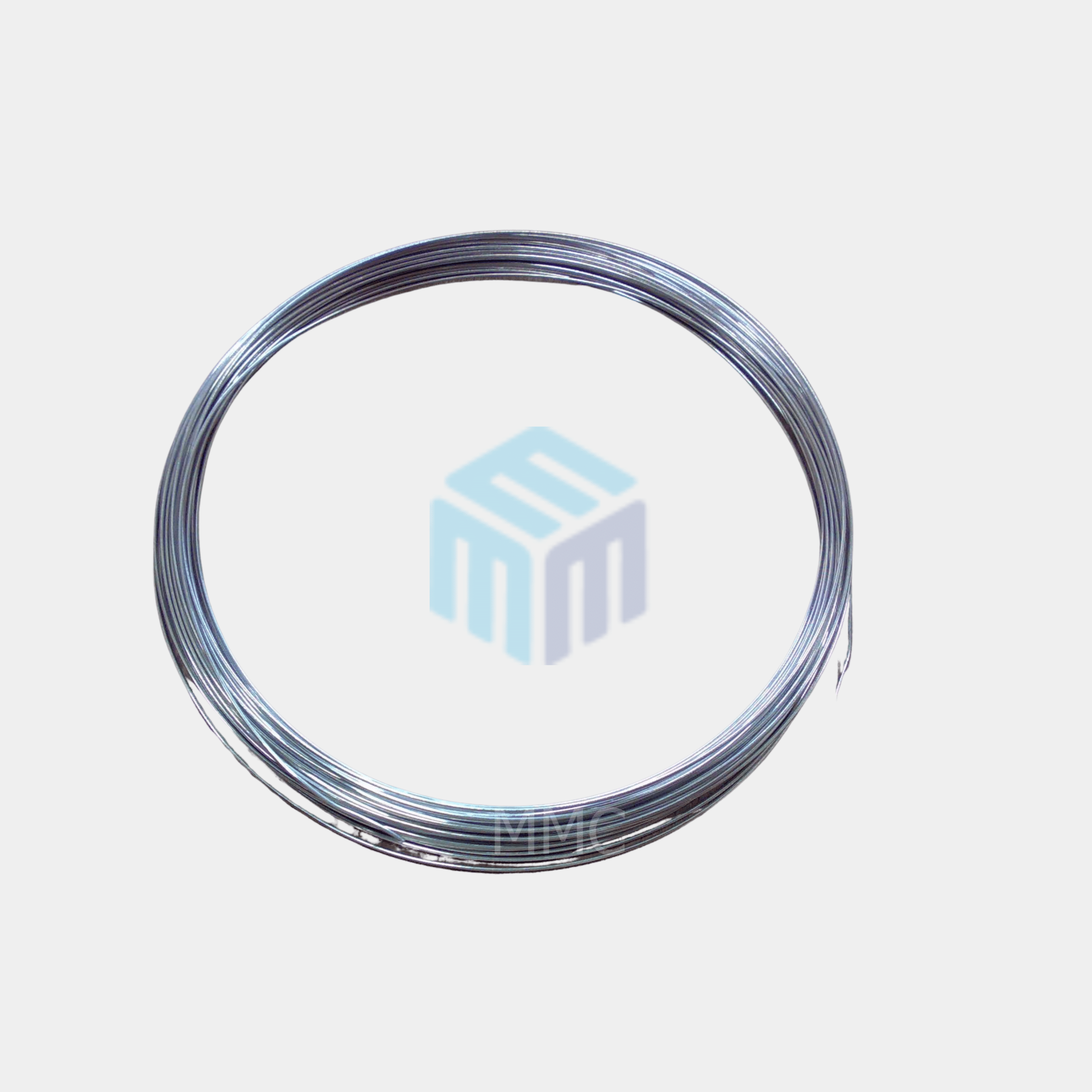
A Platinum-Rhodium Thermocouple Wire is specifically manufactured for precision temperature measurement applications.
These wires are designed to provide:
- Stable thermoelectric output
- Consistent performance
- High-temperature durability
- Long-term measurement accuracy
Industries relying on thermal processing often choose platinum rhodium thermocouple wire because of its proven reliability in harsh operating environments.
Temperature Capabilities of Type R, S, and B Thermocouples
Type R
Typical operating range:
- 0°C to 1600°C
Suitable for:
- Laboratory furnaces
- Heat treatment
- Industrial processing
Type S
Typical operating range:
- 0°C to 1600°C
Commonly used for:
- Calibration applications
- Research laboratories
- Precision thermal measurements
Type B
Typical operating range:
- 600°C to 1800°C
Ideal for:
- Ultra-high-temperature furnaces
- Glass melting
- Advanced ceramics
- Metallurgical processing
Type B thermocouples are often preferred for the highest-temperature applications.
Other Important Platinum-Based Wires
Platinum Gold Wires
Platinum gold wires are used in specialized scientific and laboratory applications requiring excellent electrical and corrosion-resistant properties.
Applications include:
- Precision instruments
- Research equipment
- Specialized sensors
PT Wire
The term PT wire commonly refers to platinum wire used in:
- Thermocouples
- Resistance temperature detectors (RTDs)
- Laboratory equipment
Heating Platinum Wire
Heating platinum wire is used in applications requiring:
- Controlled heating
- Stable electrical resistance
- High-temperature performance
Examples include laboratory heaters and specialized thermal devices.
Platinum Rhenium Wire
Advanced aerospace, research, and high-temperature industries use platinum rhenium wire when applications require additional strength and superior thermal performance.
Benefits include:
- Enhanced mechanical properties
- Improved high-temperature stability
- Excellent durability
Why Platinum Thermocouples Remain the Industry Standard
Industries continue to prefer platinum-based thermocouples despite advances in temperature sensing technologies because they offer:
- Exceptional accuracy
- Superior repeatability
- High-temperature capability
- Excellent corrosion resistance
- Long service life
For critical thermal processes, noble metal thermocouples remain one of the most trusted temperature measurement solutions available.
Conclusion
Platinum wire and Platinum-Rhodium Thermocouple Wire play a vital role in high-temperature measurement applications. Type R, Type S, and Type B thermocouples provide the accuracy, stability, and durability required for demanding industrial and laboratory environments.
Whether monitoring temperatures in heat treatment furnaces, glass manufacturing facilities, ceramic kilns, or advanced research laboratories, platinum rhodium wire consistently provides one of the most reliable solutions for precise thermal measurement. As a result, it ensures exceptional accuracy, stability, and long-term performance in demanding high-temperature applications. By understanding the characteristics of each thermocouple type, users can select the ideal sensor for their specific application and operating conditions.
Looking for high-quality platinum wire, platinum rhodium thermocouple wire, or customized noble metal thermocouple solutions for high-temperature applications?
📞 Call: +91-9898892994 OR 📧 Email: marketing@mkubeenterprise.co.in today for expert guidance on Platinum-Rhodium Thermocouple Wire, platinum rhodium alloy wire, PT wire, and customized temperature sensing solutions.