


High-temperature industrial and laboratory processes require materials that can maintain their performance under extreme thermal conditions. Heating elements, furnace components, electrical contacts, and specialized high-temperature assemblies are often exposed to temperatures where conventional metals cannot operate reliably.
Molybdenum wire and tungsten wire are two important refractory metal options for these applications. Both offer high melting points, excellent strength at elevated temperatures, and good performance in demanding thermal environments. However, their properties make them better suited to different applications.
For industries in India working with vacuum furnaces, laboratory furnaces, electronics, glass processing, and high-temperature manufacturing, understanding the differences between molybdenum wires and tungsten wire can help in selecting the right material.
What Is Molybdenum Wire?
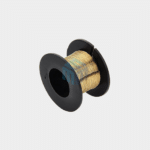
Molybdenum wires are thin, elongated products manufactured from molybdenum metal. They are available in different diameters, grades, and surface finishes depending on the intended application.
Pure molybdenum wire is particularly valued for its:
- High melting point
- Excellent high-temperature strength
- Good thermal conductivity
- Low thermal expansion
- Good electrical conductivity
- Resistance to deformation at elevated temperatures
Molybdenum is a refractory metal, making moly wire suitable for applications where conventional metals would soften or fail.
What Is Tungsten Wire?
Tungsten wire is manufactured from tungsten, another refractory metal known for its extremely high melting point and exceptional strength at elevated temperatures.
Tungsten is widely recognized for:
- Extremely high melting point
- Excellent high-temperature strength
- High density
- Good electrical conductivity
- Excellent resistance to thermal deformation
These characteristics make tungsten wire suitable for some of the most demanding high-temperature applications.
Why Molybdenum Wire Is Used at High Temperatures
One of the major advantages of molybdenum wires is their ability to maintain useful mechanical and electrical properties at elevated temperatures.
Molybdenum has a melting point of approximately 2,623°C, making it suitable for many high-temperature applications.
Its low coefficient of thermal expansion also helps reduce dimensional changes during repeated heating and cooling cycles.
This is particularly useful for precision furnace components.
Advantages of Pure Molybdenum Wire
1. High-Temperature Stability
Pure molybdenum wire can operate reliably in demanding high-temperature environments, particularly when used in vacuum or controlled atmospheres.
It is commonly selected for furnace components and thermal processing equipment.
2. Low Thermal Expansion
Molybdenum expands relatively little when heated.
This helps maintain dimensional stability and reduces mechanical stress during thermal cycling.
3. Good Electrical Conductivity
Molybdenum offers useful electrical conductivity, making moly wire suitable for electrical heating and high-temperature electrical components.
4. Good Thermal Conductivity
Its thermal conductivity supports efficient heat transfer in appropriate furnace and heating applications.
5. High Strength at Elevated Temperatures
Molybdenum maintains useful strength as temperature increases, making it suitable for components that must support their own weight or withstand mechanical loads during heating.
Advantages of Tungsten Wire
Tungsten has the highest melting point among pure metals, at approximately 3,422°C.
This makes tungsten particularly attractive for extreme-temperature applications.
1. Exceptional Melting Point
Where operating temperatures approach the upper limits of conventional refractory metals, tungsten provides exceptional thermal capability.
2. Excellent High-Temperature Strength
Tungsten retains excellent strength at elevated temperatures.
This is important for specialized components exposed to extreme heat.
3. Excellent Resistance to Thermal Deformation
Tungsten’s high-temperature properties make it suitable for applications where dimensional stability is critical.
4. Electrical Heating Applications
Tungsten wire is widely used for specialized heating and electrical applications where very high operating temperatures are required.
When Should You Choose Molybdenum Wire?
Molybdenum wires are often a practical choice when the application requires a combination of:
✔ High-temperature performance
✔ Low thermal expansion
✔ Good electrical conductivity
✔ Thermal stability
✔ Lower density than tungsten
✔ Reliable performance in vacuum or controlled atmospheres
Common applications include:
- Vacuum furnace components
- Heating elements
- Furnace supports
- Electrical contacts
- High-temperature fixtures
- Glass manufacturing equipment
- Laboratory heating systems
For many industrial furnace applications, molybdenum provides the required high-temperature performance without requiring tungsten’s extreme temperature capability.
When Should You Choose Tungsten Wire?
Tungsten wire is generally preferred when the application involves extremely high temperatures or requires exceptional resistance to thermal deformation.
Typical applications include:
- Extreme-temperature heating elements
- Specialized vacuum furnace components
- High-temperature electrical components
- Lighting applications
- Aerospace and research equipment
- Specialized laboratory systems
If the application operates at temperatures approaching the limits of molybdenum, tungsten may provide a greater performance margin.
Molybdenum Wire in Vacuum Furnaces
One of the most important applications for molybdenum wire suppliers is the supply of wire for vacuum and controlled-atmosphere furnace systems.
Molybdenum performs particularly well in vacuum environments because it does not experience the same oxidation concerns encountered in air at elevated temperatures.
Applications can include:
- Furnace heating elements
- Wire supports
- Clips and fasteners
- High-temperature fixtures
- Electrical connections
The exact operating temperature and furnace atmosphere should always be considered when selecting molybdenum components.
Which Is Better: Molybdenum or Tungsten?
There is no single answer because the better material depends on the operating conditions.
Choose Molybdenum When:
- High-temperature performance is required
- Operating temperatures are within molybdenum’s suitable range
- Low thermal expansion is important
- Good electrical conductivity is required
- The application uses vacuum or controlled atmosphere
- A practical refractory metal solution is required
Choose Tungsten When:
- Extremely high temperatures are involved
- Maximum melting-point capability is required
- Exceptional high-temperature strength is essential
- The application requires tungsten’s specialized performance
For many high-temperature furnace applications, molybdenum wires offer an excellent balance of thermal performance, electrical properties, and practical usability.
Conclusion
Both molybdenum and tungsten are highly capable refractory metals for demanding high-temperature applications. Tungsten offers the highest melting point and exceptional performance at extreme temperatures, while molybdenum wires provide an excellent combination of high-temperature stability, low thermal expansion, electrical conductivity, and practical performance.
For many laboratory furnaces, vacuum systems, heating elements, and high-temperature fixtures, Pure molybdenum wire or moly wire can provide the right balance of performance and reliability.
The best choice ultimately depends on the operating temperature, atmosphere, mechanical requirements, electrical characteristics, and expected service life of the application.
Looking for high-quality molybdenum wires or Pure molybdenum wire for furnace heating elements, high-temperature fixtures, electrical components, or research applications?
We supply precision molybdenum wire products in different diameters and specifications for demanding laboratory and industrial applications across India.
📞 Call: +91 9898892994 OR 📧 Email: marketing@mkubeenterprise.co.in today for expert guidance, competitive pricing, and reliable solutions from experienced molybdenum wire suppliers in India.