

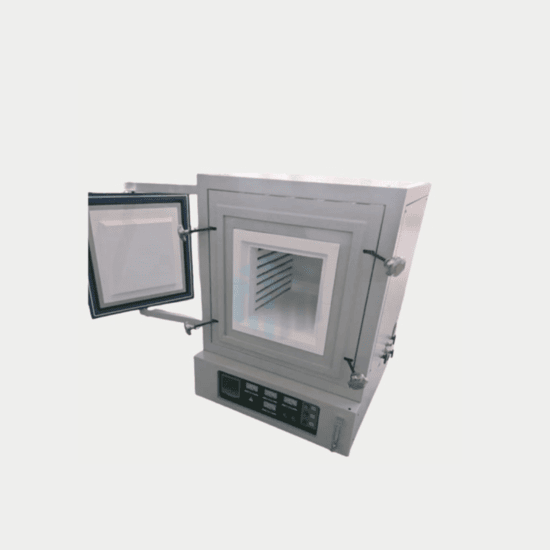
Heat treatment and thermal processing often require more than just precise temperature control. Many materials are sensitive to oxygen, moisture, and unwanted chemical reactions at elevated temperatures. To achieve the desired material properties and surface quality, manufacturers and research laboratories rely on an Atmosphere Furnace that provides a controlled processing environment.
Selecting the right gas atmosphere is one of the most important decisions in thermal processing. Among the most commonly used gases are nitrogen, argon, and hydrogen, each offering unique advantages depending on the application. Understanding these differences helps industries choose the most suitable controlled atmosphere furnace for their specific requirements.
What Is an Atmosphere Furnace?
An Atmosphere Furnace is a thermal processing system designed to operate under a controlled gaseous environment rather than normal air.
A controlled atmosphere heat treatment furnace helps prevent oxidation, contamination, and unwanted chemical reactions during heating.
Why Controlled Atmospheres Are Important
When materials are heated at high temperatures in air, they may experience:
- Oxidation
- Decarburization
- Surface contamination
- Loss of mechanical properties
- Reduced product quality
Using a controlled atmosphere muffle furnace allows manufacturers to create a protective environment that improves product quality and process consistency.
- Benefits include:
- Reduced oxidation
- Improved surface finish
- Better material properties
- Consistent heat treatment results
- Enhanced product reliability
Understanding the Three Most Common Atmospheres
The selection of atmosphere gas depends on material type, processing temperature, and desired metallurgical outcome.
The most commonly used gases are:
- Nitrogen (N₂)
- Argon (Ar)
- Hydrogen (H₂)
Each atmosphere offers distinct advantages and limitations.
Nitrogen Atmosphere: The Most Economical Choice
Nitrogen is one of the most widely used gases in a controlled atmosphere furnace due to its availability and cost-effectiveness.
Advantages of Nitrogen Atmosphere
- Relatively low operating cost
- Good protection against oxidation
- Suitable for many heat treatment applications
- Easily available across India
- Safe handling compared to hydrogen
For many industrial applications, nitrogen provides an excellent balance between performance and operating cost.
Argon Atmosphere: Maximum Inert Protection
Argon is a noble gas and one of the most chemically inert atmospheres available for thermal processing.
Advantages of Argon Atmosphere
- Extremely low chemical reactivity
- Excellent protection against oxidation
- Suitable for highly sensitive materials
- Stable performance at elevated temperatures
- Ideal for advanced material processing
Compared to nitrogen, argon is generally more expensive, increasing operating expenses for long-duration thermal processes.
However, for critical applications requiring the highest level of atmospheric protection, argon is often the preferred choice.
Hydrogen Atmosphere: The Powerful Reducing Environment
Hydrogen provides a unique atmosphere because it not only protects materials from oxidation but can actively reduce existing oxides.
Advantages of Hydrogen Atmosphere
- Excellent reducing properties
- Produces exceptionally clean metal surfaces
- Enhances material quality
- Improves sintering performance
- Supports high-purity processing
How Experts Select the Right Atmosphere
Laboratory and industrial professionals typically evaluate several factors before selecting an atmosphere gas.
1. Material Type
Different materials respond differently to specific atmospheres.
For example:
- Titanium often benefits from argon.
- Stainless steel may require hydrogen for bright annealing.
- General steel processing commonly uses nitrogen.
2. Process Temperature
Higher temperatures increase the risk of oxidation and chemical reactions.
A suitable atmosphere must remain stable throughout the operating temperature range.
3. Desired Surface Quality
Applications requiring bright, oxide-free surfaces often benefit from hydrogen atmospheres.
For less demanding applications, nitrogen may provide adequate protection.
4. Production Cost
Gas consumption significantly affects operating expenses.
Manufacturers often balance atmosphere performance with long-term operational costs.
5. Safety Considerations
Hydrogen systems require additional safety infrastructure.
Nitrogen and argon are generally simpler to implement and maintain.
Conclusion
Choosing between nitrogen, argon, and hydrogen atmospheres is a critical decision in thermal processing. Each gas offers unique benefits, and the right choice depends on the material being processed, production goals, quality requirements, and operational considerations.
A high-quality Atmosphere Furnace, controlled atmosphere furnace, or controlled atmosphere heat treatment furnace enables manufacturers and research laboratories to achieve superior process control, improved material performance, and consistent product quality. By understanding the strengths of each atmosphere, organizations can make informed decisions that enhance both productivity and process reliability.
Looking for a reliable Atmosphere Furnace solution for heat treatment, sintering, or advanced material processing?
📞 Call: +91 9898892994 OR 📧 Email: marketing@mkubeenterprise.co.in today for expert guidance and customized furnace solutions from a trusted atmosphere furnace supplier in India.