

Tantalum is a high-performance refractory metal valued for its excellent corrosion resistance, high-temperature capability, and suitability for demanding chemical, laboratory, medical, electronics, and industrial applications.
However, the quality of tantalum products depends on more than the material specification itself. Proper storage and handling are also important, especially when the material will be used in applications where surface condition, dimensional accuracy, cleanliness, and traceability matter.
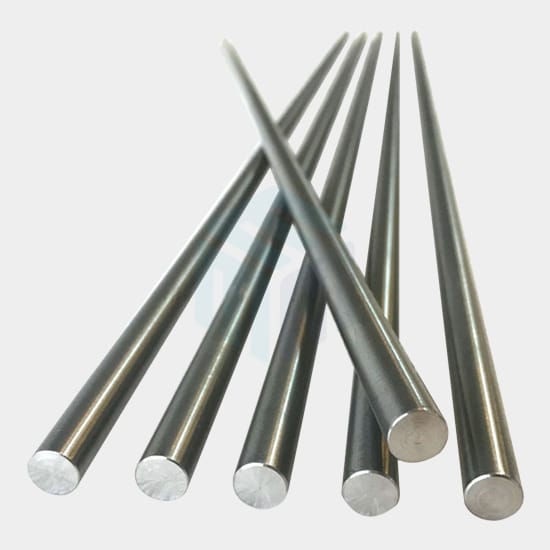
Tantalum Rods, Tantalum Bars, Tantalum Round Bars, and Tantalum Tubes should be stored in a way that minimizes mechanical damage, contamination, moisture exposure, and unnecessary handling.
ASTM B365-12(2026) covers unalloyed and alloyed tantalum rod and wire, while ASTM B521-25 covers tantalum and tantalum-alloy seamless and welded tubes. These specifications highlight why identifying the correct material grade and product specification is an important part of material control.
For laboratories, chemical-processing companies, research facilities, manufacturers, and specialty-metal buyers, a simple and consistent storage procedure can help preserve tantalum from receipt through final use.
Why Is Proper Tantalum Storage Important?
Tantalum is well known for its resistance to corrosion and chemical attack. Its protective oxide layer contributes to this performance.
That does not mean tantalum can be stored without care.
During storage, tantalum products can still be exposed to:
- Dust and airborne contamination
• Oils and fingerprints
• Scratches and abrasion
• Mechanical impact
• Bending or deformation
• Moisture and condensation
• Contaminated tools or work surfaces
• Loss of material identification or traceability
For critical applications, maintaining the original condition of the material can be important before machining, fabrication, welding, chemical processing, or other downstream operations.
A good storage system should therefore protect both the physical condition and the identity of the material.
What Can Damage Tantalum Rods During Storage?
Mechanical Damage
Long or thin tantalum products can be damaged if they are dropped, dragged, improperly stacked, or stored without adequate support. Tantalum rods should not be placed directly on rough surfaces where repeated movement can cause scratches or dents.
Longer Tantalum Round Bars should also be properly supported to reduce unnecessary bending or deformation.
Surface Contamination
Surface contamination is another important consideration. Oil, grease, dust, fingerprints, and residue from tools or packaging can transfer onto the metal surface. This can become particularly important when the tantalum will later be used in a process where surface cleanliness is part of the application requirements.
Clean gloves and clean work surfaces can help reduce unnecessary contamination during handling.
Moisture and Condensation
Tantalum has excellent corrosion resistance, but a clean and dry storage environment is still preferable. Temperature fluctuations may create condensation, particularly when material is moved between significantly different environments. Keeping tantalum products in a clean, dry, indoor storage area helps minimize unnecessary exposure to moisture and contaminants.
How Should Tantalum Rods Be Stored?
A suitable storage system should provide physical protection while keeping material identification clear.
| Storage Factor | Recommended Practice |
| Cleanliness | Keep material away from dust, oils, chemicals, and dirty surfaces |
| Moisture | Store in a dry environment and avoid condensation |
| Support | Properly support long rods and bars |
| Packaging | Keep suitable protective packaging intact where practical |
| Handling | Use clean gloves and suitable handling methods |
| Identification | Maintain grade, dimensions, lot/heat information, and documentation |
| Segregation | Keep different grades and sizes clearly separated |
The objective is simple: protect the material until it is ready for processing or use.
Packaging Tantalum Products
Packaging provides the first layer of protection between tantalum and the surrounding environment. Depending on the product and application, tantalum may be individually protected, bundled, sleeved, or packaged to prevent unnecessary contact and movement.
When storing Tantalum Bars or rods, suitable packaging can help prevent:
• Surface-to-surface abrasion
• Dust accumulation
• Mechanical movement
• Contact with contaminated surfaces
• Loss of product identification
Keep protective packaging in place until you need the material, as long as the packaging remains clean, suitable, and intact.
For high-purity or contamination-sensitive applications, determine packaging requirements based on the end-use specification rather than choosing packaging solely for convenience.
How Should Tantalum Rods Be Handled?
Handling practices can have a significant effect on material condition.
Before handling tantalum:
• Clean the work area.
• Use clean gloves where surface cleanliness is important.
• Make sure racks and shelves are free from dirt and oil.
• Avoid dragging rods across metal surfaces.
• Support long rods at suitable points.
• Avoid unnecessary handling.
• Keep different grades and dimensions separated.
When material is removed from storage for inspection or processing, place it on a clean and suitable work surface.
These simple practices can help minimize scratches, dents, fingerprints, and other avoidable surface contamination.
What About Tantalum Bars and Tantalum Round Bars?
The same storage principles apply to Tantalum Bars and Tantalum Round Bars. The dimensions of the product may determine the type of storage support required.Long bars should be stored on suitable supports rather than left unsupported across a large span. Smaller-diameter rods should also be protected from bending or accidental impact.
When purchasing Tantalum bars for sale, buyers should confirm important information such as:
• Tantalum grade
• Diameter or dimensions
• Length
• Quantity
• Applicable specification
• Surface condition
• Tolerance requirements
• Material certification
• Traceability documentation
ASTM B365-12(2026) covers tantalum and tantalum-alloy rod and wire and includes grades such as R05200, R05400, R05252, R05255, and R05240.
How Should Tantalum Tubes Be Stored?
Tantalum Tubes require similar protection but also need attention to their hollow geometry.
Tubes should be protected from:
• Crushing
• Bending
• Surface scratches
• Damage to tube ends
• Internal contamination
• Dust entering the tube
Suitable end protection or packaging can help protect tube openings during storage and transportation.
ASTM B521 covers tantalum and tantalum-alloy seamless and welded tubes, including grades such as R05400, R05200, R05252, R05255, and R05240.
When evaluating a Tantalum Tubes Supplier, buyers should therefore look beyond dimensions and price. It is useful to confirm the applicable specification, grade, manufacturing condition, inspection requirements, documentation, and packaging.
What Affects Tantalum Rods Price?
Searches for Tantalum rods price, Tantalum bars price, or Tantalum bars price in India can produce significantly different quotations.
The final price may depend on:
• Material grade
• Purity
• Diameter
• Length
• Quantity
• Tolerance
• Surface finish
• Manufacturing condition
• Testing requirements
• Certification
• Market conditions
This is why comparing a quoted Tantalum bars price without comparing the complete specification may not provide a meaningful comparison.
The same principle applies when evaluating Tantalum tubes price.
A technically suitable product with the required dimensions and certification may have a different price from standard-stock material with different specifications.
What Should You Check During Long-Term Storage?
When tantalum remains in inventory for an extended period, periodic inspection can help maintain material condition and traceability.
Check:
• Packaging condition
• Surface condition
• Product identification
• Grade and dimensions
• Quantity
• Signs of bending or impact
• Moisture or condensation
• Certification and traceability records
Avoid opening protected packaging unnecessarily.
If material identification becomes separated from the product, confirming the correct grade or specification later can become difficult. Good inventory control is therefore an important part of tantalum storage.
How Proper Storage Supports Material Quality
Proper storage does not change the fundamental properties of tantalum, but it can help preserve the condition in which the material was supplied.
For manufacturing and research environments, this can make downstream processing more predictable.
Good storage practices can help reduce:
• Surface damage
• Unnecessary cleaning
• Material mix-ups
• Handling-related defects
• Documentation problems
• Contamination before processing
This is particularly relevant when tantalum is purchased for specialized applications where material quality and traceability are important.
Looking for Tantalum Rods, Bars, or Tubes?
Looking for reliable Tantalum bars for sale, tantalum rods, or tantalum tubes for laboratory, chemical, industrial, or specialized applications?
M-Kube India supplies specialized materials and components for demanding applications and can assist with product specifications, dimensions, quantities, and documentation requirements.
Call: +91 9898892994
Email: marketing@mkubeenterprise.co.in
Contact us today for product guidance, competitive pricing, and the right tantalum product for your application.
Conclusion
Proper storage is an important part of maintaining the condition and traceability of tantalum products. Whether you are storing Tantalum Rods, Tantalum Bars, Tantalum Round Bars, or Tantalum Tubes, the basic principles remain the same: keep the material clean, dry, protected, properly supported, clearly identified, and handled carefully.
For buyers comparing Tantalum rods price, Tantalum bars price in India, Tantalum bars price, or Tantalum tubes price, it is also important to evaluate the complete specification rather than focusing only on the quoted price.
The right combination of material grade, dimensions, certification, packaging, storage, and supplier support can help ensure that tantalum reaches the production or laboratory stage in the condition required for the application.