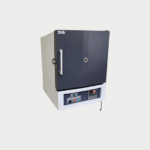



Thermal analysis techniques such as TGA (Thermogravimetric Analysis), DTA (Differential Thermal Analysis), and DSC (Differential Scanning Calorimetry) are widely used in laboratories to study material behavior under controlled temperature conditions. The accuracy of these techniques depends not only on the instrument but also on the materials used within the system—especially platinum wire and its alloys.
From Platinum-Rhodium Thermocouple Wire to platinum rhenium wire, these materials play a critical role in ensuring precise temperature measurement, stability, and repeatability in thermal analysis.
Why Material Selection Matters in Thermal Analysis
Thermal analysis instruments operate at high temperatures and require materials that can:
- Withstand extreme heat
- Resist oxidation and chemical reactions
- Maintain stable electrical and thermal properties
- Provide accurate temperature sensing
Platinum and its alloys are widely used in high-temperature measurement systems due to their excellent thermoelectric stability and resistance to corrosion.
Role of Platinum Wire in TGA, DTA, and DSC
1. Temperature Measurement Accuracy
Accurate temperature measurement is fundamental in TGA, DTA, and DSC analysis. Platinum wire is commonly used in thermocouples because it provides stable and reproducible thermoelectric signals.
- Pt wire offers excellent electrical conductivity
- Minimal drift over time ensures repeatable readings
- High melting point (~1768°C) allows operation at elevated temperatures
This makes platinum-based thermocouples highly reliable for thermal analysis applications.
2. Stability in High-Temperature Environments
Thermal analysis often involves temperatures exceeding 1000°C. Materials used inside the system must maintain structural and chemical stability.
Heating platinum wire is ideal because:
- It resists oxidation even at high temperatures
- It remains chemically inert with most sample materials
- It does not contaminate the sample
3. Platinum-Rhodium Thermocouple Wire in Precision Measurement
One of the most commonly used materials in thermal analysis instruments is platinum rhodium thermocouple wire.
Why Platinum-Rhodium?
- Higher thermoelectric sensitivity compared to pure platinum
- Improved mechanical strength
- Better stability at elevated temperatures
Platinum-Rhodium Thermocouple Wire (such as Type S, R, and B thermocouples) is widely used in DSC and DTA instruments to provide highly accurate temperature readings.
4. Role of Platinum Alloy Wires in Advanced Applications
Different platinum alloys are used depending on application requirements:
✔ Platinum Rhodium Wire
- Enhanced durability and stability
- Used in thermocouples and heating elements
✔ Platinum Rhenium Wire
- Higher strength at extreme temperatures
- Used in aerospace and high-end research applications
✔ Platinum Gold Wires
- Used in specialized applications requiring specific electrical properties
These platinum rhodium alloy wire and other alloy variants ensure optimal performance in diverse analytical environments.
Applications in TGA, DTA, and DSC Systems
In TGA (Thermogravimetric Analysis)
- Platinum wires are used for sample holders and suspension systems
- Ensure minimal interaction with sample
- Maintain stable weight measurement conditions
In DTA (Differential Thermal Analysis)
- Platinum-based thermocouples measure temperature differences
- Provide precise detection of phase transitions
In DSC (Differential Scanning Calorimetry)
- Platinum sensors detect heat flow differences
- Ensure accurate enthalpy and transition measurements
Factors to Consider When Selecting Platinum Wire
When choosing platinum wire or alloys for thermal analysis:
- Purity level (higher purity = better accuracy)
- Alloy composition (Pt-Rh, Pt-Re, Pt-Au)
- Diameter and mechanical strength
- Operating temperature range
- Compatibility with instrument design
Selecting the right material ensures optimal performance and long-term reliability.
Conclusion
In thermal analysis techniques like TGA, DTA, and DSC, accuracy depends heavily on the materials used within the system. Platinum wire, along with its alloys such as platinum rhodium wire, platinum rhenium wire, and platinum gold wires, plays a vital role in ensuring reliable temperature measurement, stability, and repeatability.
By selecting high-quality platinum components, laboratories can significantly enhance analytical accuracy, reduce errors, and achieve consistent results in critical research and quality control applications.
Looking for high-quality platinum wire, platinum rhodium thermocouple wire, or customized platinum alloy solutions for TGA, DTA, and DSC applications?
📞 Call +91 9898892994
📧 Email marketing@mkubeenterprise.co.in
Get expert support and competitive pricing for your thermal analysis requirements.